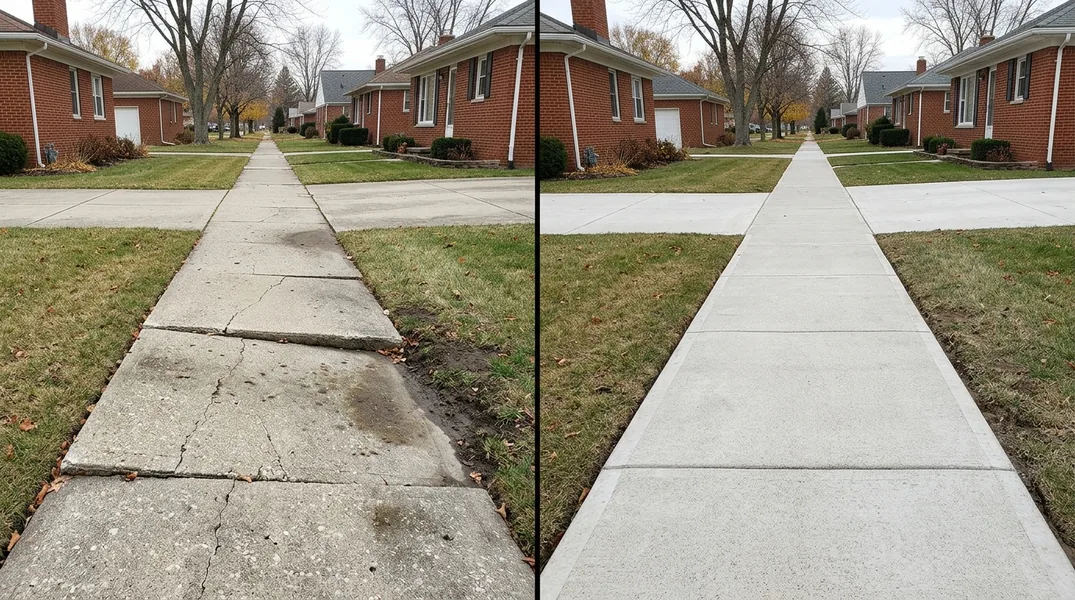
Understanding Toledo's Unique Soil Challenges
If you've lived in Toledo for any length of time, you've probably noticed something peculiar about the ground beneath your feet. The region sits on what geologists call lacustrine clay, a dense, fine-grained sediment left behind by ancient glacial lakes. This isn't ordinary dirt, and it behaves very differently from the sandy or rocky soils found in other parts of Ohio. Understanding this geological reality is the first step toward protecting your concrete investment.
The Black Swamp, which once covered much of northwest Ohio, was drained over a century ago, but its legacy remains in the clay that dominates the area. This clay is highly expansive, meaning it swells when wet and shrinks when dry. For homeowners with Concrete Driveways and other concrete structures, this constant movement creates a perfect storm of stress on the surface above. When water infiltrates the soil beneath your driveway or patio, the clay expands, pushing upward with tremendous force. When that water evaporates during dry spells, the clay contracts, leaving voids and causing settlement. This cycle repeats endlessly, and your concrete bears the brunt of it.
The High Water Table Problem in Toledo
One of the most significant factors affecting concrete durability in Toledo is the region's persistently high water table. The water table is simply the level at which groundwater naturally sits in the soil, and in northwest Ohio, this level is often quite shallow, sometimes just a few feet below the surface. This means that even during relatively dry periods, moisture is constantly present in the soil beneath your home's foundation and concrete surfaces.
A high water table creates a chronic moisture problem that concrete cannot escape. Water wicks up through the porous lacustrine clay and enters the concrete from below, even when the surface appears completely dry. This upward moisture migration is called capillary rise, and it's relentless. Over time, this moisture weakens the concrete's internal structure, causing efflorescence (that white, chalky residue), spalling (surface deterioration), and eventually deep structural damage. Homeowners often don't realize their foundation cracking or driveway damage is directly related to groundwater until the problem becomes severe. This is why Concrete Repair & Resurfacing services are so critical in this region, and why prevention through proper installation and maintenance is essential.
Freeze-Thaw Cycles: Winter's Assault on Toledo Concrete
Ohio winters are notoriously harsh, and Toledo's position in the snowbelt means the region experiences frequent freeze-thaw cycles that are particularly destructive to concrete. A freeze-thaw cycle occurs when water inside the concrete freezes, expands, and then thaws repeatedly over the course of a winter season. Each cycle creates tiny fractures and weakens the concrete's structural integrity. When you combine this with Toledo's already moisture-saturated soil conditions, the damage accelerates dramatically.
The mechanism is straightforward but devastating. Water enters the concrete through cracks, pores, or the base layer below. When temperatures drop below freezing, that water turns to ice, which expands by approximately nine percent. This expansion creates internal pressure within the concrete, forcing the material apart from within. When the ice melts during a thaw, the water drains away, leaving microscopic voids. The next freeze-thaw cycle repeats this process, and over the course of a winter with multiple freeze-thaw events, the cumulative damage becomes visible as scaling (surface flaking), spalling, and eventually large chunks of concrete breaking apart. This is why concrete in Toledo deteriorates faster than in warmer climates, and why addressing moisture control and proper drainage is so important for long-term durability.
How Lacustrine Clay Concrete Damage Develops Over Time
Lacustrine clay concrete damage doesn't happen overnight, but rather develops progressively as the soil and moisture conditions work against the concrete year after year. In the first year or two after installation, a new driveway or patio may appear flawless. But beneath the surface, water is already beginning to infiltrate the base layer, and the clay is beginning its endless cycle of expansion and contraction. Hairline cracks may start to appear, often so small that homeowners dismiss them as cosmetic.
By year three to five, these hairline cracks widen, and the damage becomes more obvious. You'll notice sections of the driveway settling unevenly, creating trip hazards. The surface may develop a rough, spalling texture as freeze-thaw cycles take their toll. If the underlying soil is particularly expansive or the water table is particularly high, you might even see heaving, where portions of the concrete are pushed upward by soil movement. At this stage, many homeowners finally call for an inspection, only to learn that the damage is now structural and extensive. This is why understanding the problem early and taking preventive measures during initial installation is so valuable. Getting professional guidance from Toledo Concrete when planning your project can help you avoid years of progressive damage.
Prevention and Repair: Protecting Your Concrete Investment
The good news is that concrete damage in Toledo can be significantly minimized with proper installation techniques and proactive maintenance. The key is addressing the moisture problem at its source. This means ensuring adequate drainage around your concrete surfaces, installing a proper base layer that allows water to move away from the concrete rather than pooling beneath it, and using concrete mixes specifically designed for the regional climate. When Toledo Concrete installs new Concrete Patios or driveways, we account for these regional challenges from the very beginning, using methods proven to extend the life of concrete in high water table, expansive clay environments.
For existing concrete that's already showing signs of damage, repair options range from simple crack sealing to complete removal and replacement. Minor cracks can often be filled with specialized sealants that prevent water infiltration. Spalling and surface deterioration can sometimes be addressed with resurfacing treatments. However, if the damage is extensive or if the underlying soil conditions are severe, replacement may be the most cost-effective long-term solution. The decision depends on the extent of damage, the age of the concrete, and your long-term plans for the property. If you're concerned about existing concrete damage or want to ensure a new project is installed correctly for Toledo's conditions, reach out to Toledo Concrete for a free estimate or call us at (419) 279-8297. We'll assess your specific situation and recommend the best path forward.
Working with Local Experts Who Understand Toledo's Concrete Challenges
Not all concrete contractors fully understand the specific challenges that lacustrine clay and high water tables create in northwest Ohio. Some contractors from other regions may use installation methods that work fine elsewhere but fail quickly in Toledo. This is why choosing a local company that has spent years working with these soil conditions is so important. Toledo Concrete has extensive experience diagnosing and preventing concrete damage caused by local geological factors, and we build that knowledge into every project we undertake.
Whether you're planning a new driveway, considering Stamped & Decorative Concrete for your patio, or dealing with existing damage that needs professional attention, having a contractor who understands Toledo's unique environment makes all the difference. We know which base materials work best, which drainage solutions are most effective, and how to design concrete projects that stand up to our region's demanding climate and soil conditions. If you're ready to invest in concrete that will last, or if you're dealing with damage and need expert repair, contact Toledo Concrete today at (419) 279-8297 or visit our website to learn more about how we can help protect your property.
Looking for a professional tree service in Toledo? Toledo Concrete responds fast for all your concrete needs.
Get a Free QuoteOur services: Concrete Driveways · Concrete Patios · Stamped & Decorative Concrete